
What Are Waterproof Barcode Labels? A Complete Buyer’s Guide
Whether you run a warehouse, manage outdoor equipment, process food products, or track assets in a hospital, one problem comes up again and again: standard paper labels fail. They smear, peel, and become unreadable the moment moisture enters the picture. That is where waterproof barcode labels come in.
In this guide, we cover what waterproof barcode labels are, what materials are used to make them, which industries rely on them most, and exactly what to look for when choosing the right label for your application. If you have been searching for a label that holds up in wet, outdoor, or chemically aggressive environments, this is the guide for you.
What Are Waterproof Barcode Labels?
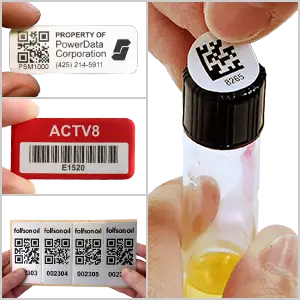
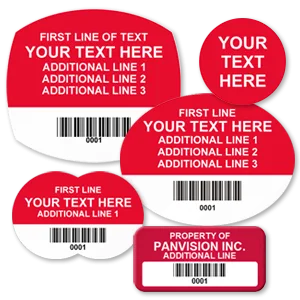
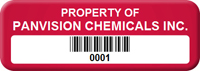
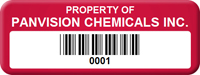
Waterproof barcode labels are labels engineered to remain legible, scannable, and firmly adhered even when exposed to water, moisture, humidity, or outdoor weather conditions. Unlike standard paper labels, which absorb liquid and quickly degrade, waterproof labels are produced from synthetic materials such as polyester, polypropylene, or vinyl that repel water and resist tearing.
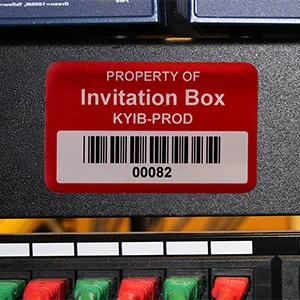
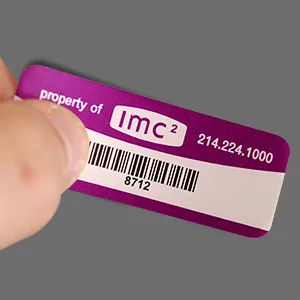
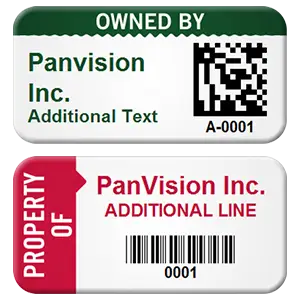
These labels typically carry a barcode, QR code, serial number, or other machine-readable identifier that must remain intact throughout the product or asset lifecycle. A label that smears or falls off means a lost scan, a broken workflow, and potentially a compliance failure.
The term waterproof is sometimes used broadly. In practice, labels range from water-resistant (suitable for occasional splashes) to fully waterproof with a clear overlaminate that seals the printed surface against sustained water exposure. Knowing which level of protection you need is the first step to choosing the right label.
Why Standard Paper Labels Are Not Enough
Paper labels are economical and easy to print, but they are not built for demanding environments. In warehouses with floor washing, cold storage facilities, outdoor utility applications, or food processing environments, paper barcode labels fail quickly. Common problems include:
> Ink smearing when labels contact water or cleaning fluids.
> Label peeling due to adhesive failure in humid or wet conditions.
> Tearing or physical damage during handling, shipping, or rough surface contact.
> Barcode unreadability caused by condensation in cold chain or refrigerated environments.
Each of these failures creates downstream problems: inventory discrepancies, missed scans at point of sale, failed compliance audits, and costly manual re-labeling. Switching to waterproof barcode labels eliminates these failure points at the source.
Common Materials Used in Waterproof Barcode Labels
The material you choose determines how your label performs across temperature, chemical exposure, UV light, and abrasion. Here are the most widely used materials:
1. Polyester (PET)
Polyester labels are among the most popular choices for industrial and outdoor waterproof barcode applications. They offer excellent dimensional stability, strong resistance to chemicals and abrasion, and can withstand both high and low temperatures. Polyester is a top pick for asset tags, equipment labels, and outdoor inventory tracking.
2. Polypropylene (BOPP)
Polypropylene labels are a flexible, cost-effective option well suited for product labeling in food processing, pharmaceuticals, and consumer goods. They resist moisture and many common chemicals. Because polypropylene is softer and more conformable than polyester, it applies well to curved or irregular surfaces.
3. Vinyl
Vinyl labels are durable, flexible, and highly resistant to outdoor weathering. They are a popular choice when labels need to conform to uneven surfaces or when long-term outdoor exposure to UV and rain is expected. Many waterproof vinyl barcode labels are paired with a clear overlaminate for added protection of the printed image.
4. Destructible and Tamper-Evident Materials
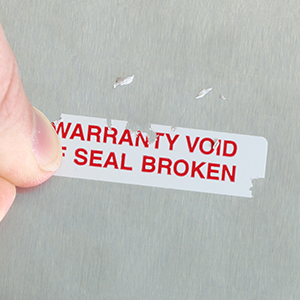
For security applications, labels made from destructible or tamper-evident materials add a layer of protection. These labels are designed to break apart or show clear evidence of removal if anyone attempts to peel them, making them useful for asset tracking, warranty sealing, and anti-counterfeiting purposes in demanding environments.
Material Comparison at a Glance

Industries That Rely on Waterproof Barcode Labels
Waterproof barcode labels are not a niche product. They are used across virtually every sector where assets, products, or equipment must be tracked reliably in less-than-ideal conditions.
> Warehousing and Logistics
Warehouse floors get wet from cleaning operations, loading dock exposure, and seasonal weather. Waterproof barcode labels on shelving locations, bins, pallets, and equipment ensure that scanning remains accurate regardless of floor washing schedules or weather at receiving docks.
> Food and Beverage Processing
Food processing environments involve high-pressure washdowns, condensation, and refrigeration. Labels used in these facilities must meet food-safe standards and hold up to frequent contact with water and sanitizing chemicals. Waterproof labels for food processing are typically made from polypropylene or polyester with aggressive adhesives designed to stay put on cold, wet surfaces.
> Healthcare and Pharmaceuticals
Hospitals and pharmaceutical facilities use barcode labels on equipment, specimens, and medication. These environments involve cleaning agents, sterilization exposure, and potential contact with bodily fluids. Chemical-resistant waterproof labels are essential for maintaining readability and compliance in these settings.
> Outdoor Asset Tracking
Utility companies, municipalities, construction firms, and fleet operators need outdoor waterproof barcode labels that survive years of sun, rain, wind, and temperature fluctuation. Labels for meters, valves, vehicles, storage containers, and signage infrastructure must remain scannable through all seasons without needing replacement.>
> Manufacturing
On production lines, labels are exposed to oils, coolants, solvents, and physical abrasion. Industrial waterproof barcode labels made from polyester with strong adhesives are the standard choice for work-in-progress tracking, serialization, and finished goods labeling in manufacturing environments.
Key Features to Look for When Buying Waterproof Barcode Labels
Not all waterproof labels are created equal. Here is what to evaluate before making a purchase:
a) Adhesive Type
The adhesive determines whether a label stays put on your specific surface. Permanent aggressive adhesives are best for rough, oily, or low-surface-energy substrates. Removable adhesives are suitable when labels need to be repositioned. For cold storage applications, look specifically for freezer-grade adhesives that bond below freezing temperatures.
b) Overlaminate Protection
A clear overlaminate applied over the printed surface adds a critical layer of protection against water, chemicals, and abrasion. Labels without an overlaminate may be waterproof in that the facestock resists moisture, but the printed ink or toner layer can still be vulnerable to scratching or chemical exposure.
c) Print Technology Compatibility
Waterproof labels are compatible with several print technologies. Thermal transfer printing on synthetic label stock typically produces the most durable result, as the resin ribbon bonds to the label surface at a molecular level. Direct thermal printing on waterproof stock is also available, though the image tends to be less resistant to prolonged sunlight and chemical exposure than thermal transfer output.
d) Barcode Symbology
Choose a barcode format appropriate to your data density and scanning environment. Standard 1D barcodes such as Code 128 or Code 39 are widely used for inventory and asset tracking. 2D barcodes such as QR codes and Data Matrix symbols store significantly more information in a smaller footprint, which makes them increasingly popular for industrial and outdoor applications where label space is limited.
e) Temperature Range
Always verify the label’s rated operating temperature range. Labels used in cold chain logistics need to function correctly from sub-zero freezer temperatures through ambient and occasionally warm conditions during transit. Labels on outdoor equipment or vehicles must handle both summer heat and winter cold without cracking, curling, or losing adhesion.
How to Choose the Right Waterproof Barcode Label for Your Application
Selecting the right waterproof barcode label comes down to understanding four things: the surface you are labeling, the environment the label will live in, the print method you are using, and how long the label needs to last.
> Surface type: Smooth surfaces accept most adhesives well. Rough, textured, or low-energy surfaces like polyethylene require specialized adhesives to achieve adequate bond strength.
> Environment: Identify the specific hazards your label will face. Is it primarily moisture? UV sunlight? Chemical splashes? Extreme temperatures? Each challenge points toward a specific material and construction.
> Print method: Confirm that your label stock is compatible with your printer. Thermal transfer labels require a ribbon; direct thermal labels do not. Inkjet and laser printable waterproof stocks are also available for office or low-volume settings.
> Label lifespan: A label on a shipping carton might only need to last weeks. A label on a utility meter or piece of industrial equipment may need to remain legible for five to ten years. Match the label construction to the expected lifespan.
Frequently Asked Questions
Q : Are waterproof barcode labels the same as water-resistant labels?
A : Not exactly. Water-resistant labels can handle occasional splashes and brief moisture contact. Waterproof barcode labels are engineered for sustained exposure to water, humidity, or washdown conditions. If your application involves submersion, pressure washing, or continuous moisture, you need a fully waterproof construction with overlaminate rather than a basic water-resistant label.
Q : Can I print waterproof barcode labels on my existing printer?
A : In many cases, yes. Waterproof label stock is available in formats compatible with thermal transfer printers, direct thermal printers, laser printers, and inkjet printers. The key is to confirm that the facestock material is rated for your specific print technology and that you are using the correct ribbon or toner for a durable, smear-resistant result.
Q : What is the difference between polyester and polypropylene waterproof labels?
A : Polyester labels are harder, more dimensionally stable, and better at resisting chemicals and abrasion, making them the preferred choice for industrial asset tagging and outdoor equipment. Polypropylene labels are softer, more flexible, and cost-effective, making them a good fit for product labeling on curved surfaces in food, beverage, and pharmaceutical applications.
Q : Do waterproof barcode labels work in freezers?
A : Yes, but you need labels with a freezer-grade adhesive specifically formulated to bond at or below freezing temperatures. Standard adhesives lose tack in cold environments and will peel away from frozen or frost-covered surfaces. Freezer-rated waterproof labels apply to cold surfaces and maintain adhesion through repeated freeze-thaw cycles.
Q : How long do waterproof barcode labels last outdoors?
A : Lifespan depends on the material and construction. A basic polypropylene label with water resistance may last one to three years outdoors. A UV-resistant polyester or vinyl label with a clear overlaminate is typically rated for five or more years of outdoor exposure, including direct sun, rain, and temperature fluctuation. Always check the manufacturer’s rated outdoor durability before selecting a label for long-term outdoor applications.
The Bottom Line
Waterproof barcode labels are not a premium add-on. In any environment where moisture, chemicals, outdoor exposure, or rough handling are part of daily operations, they are the baseline requirement for reliable tracking and compliance.
Choosing the right label means matching the material, adhesive, and print technology to your specific environment and lifespan needs. Polyester for industrial durability. Polypropylene for flexible product labeling. Vinyl for long-term outdoor use. Overlaminate whenever the printed image needs protection from abrasion or chemical contact.
Our full catalog of waterproof barcode labels is built to perform across the harshest real-world conditions. Browse our selection to find the right label for your warehouse, facility, fleet, or outdoor asset tracking application.
Category: About us